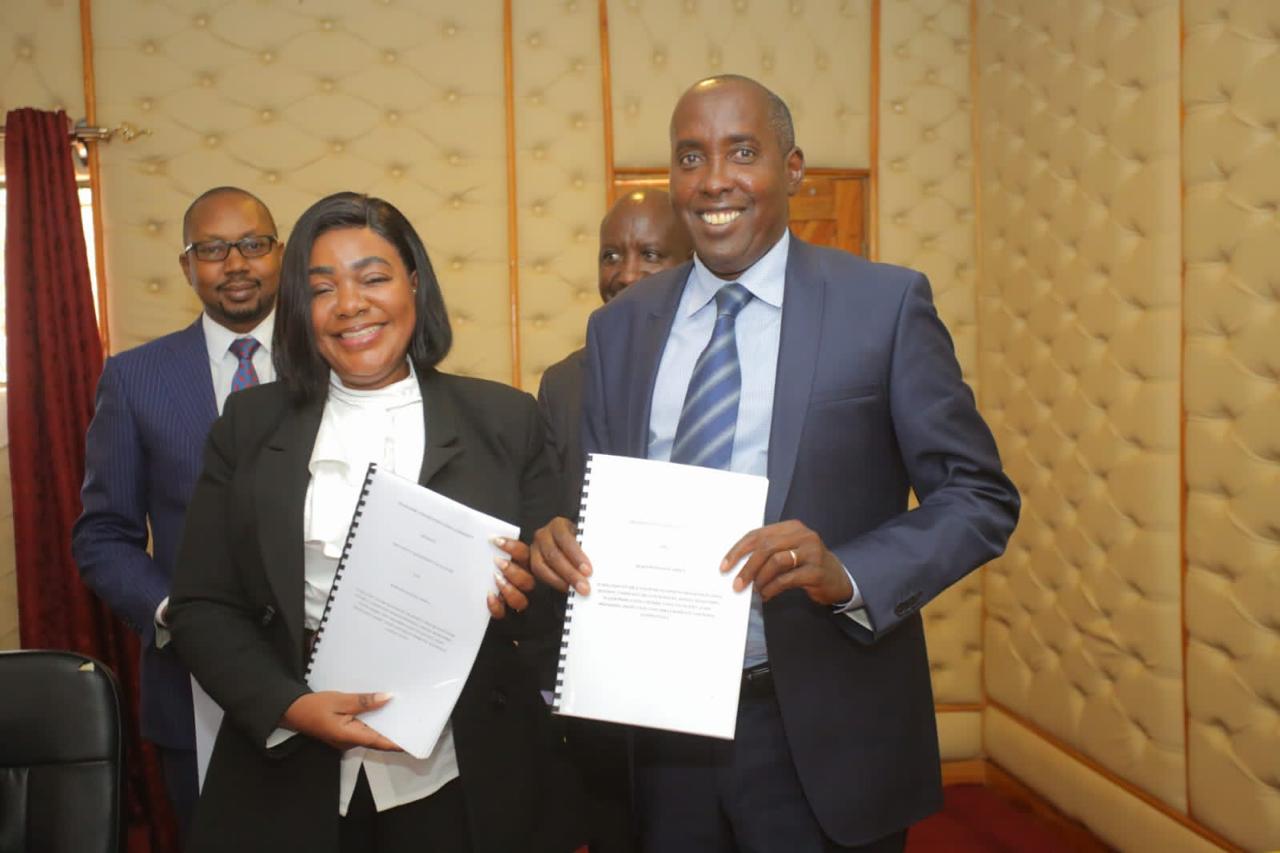
When communities are part of defining the problem, they are also part of shaping the solution. We have seen this repeatedly in our work across food security, health, education, and livelihoods: practical support is most effective when it is rooted in local knowledge and designed with local people at the center.
Strong partnerships allow us to respond quickly in times of crisis while also investing in the systems that help families recover and grow. That means working with schools, clinics, local leaders, and grassroots groups to create solutions that are both humane and durable. Trust is the foundation for every intervention, and it is what turns a short-term response into lasting public impact.
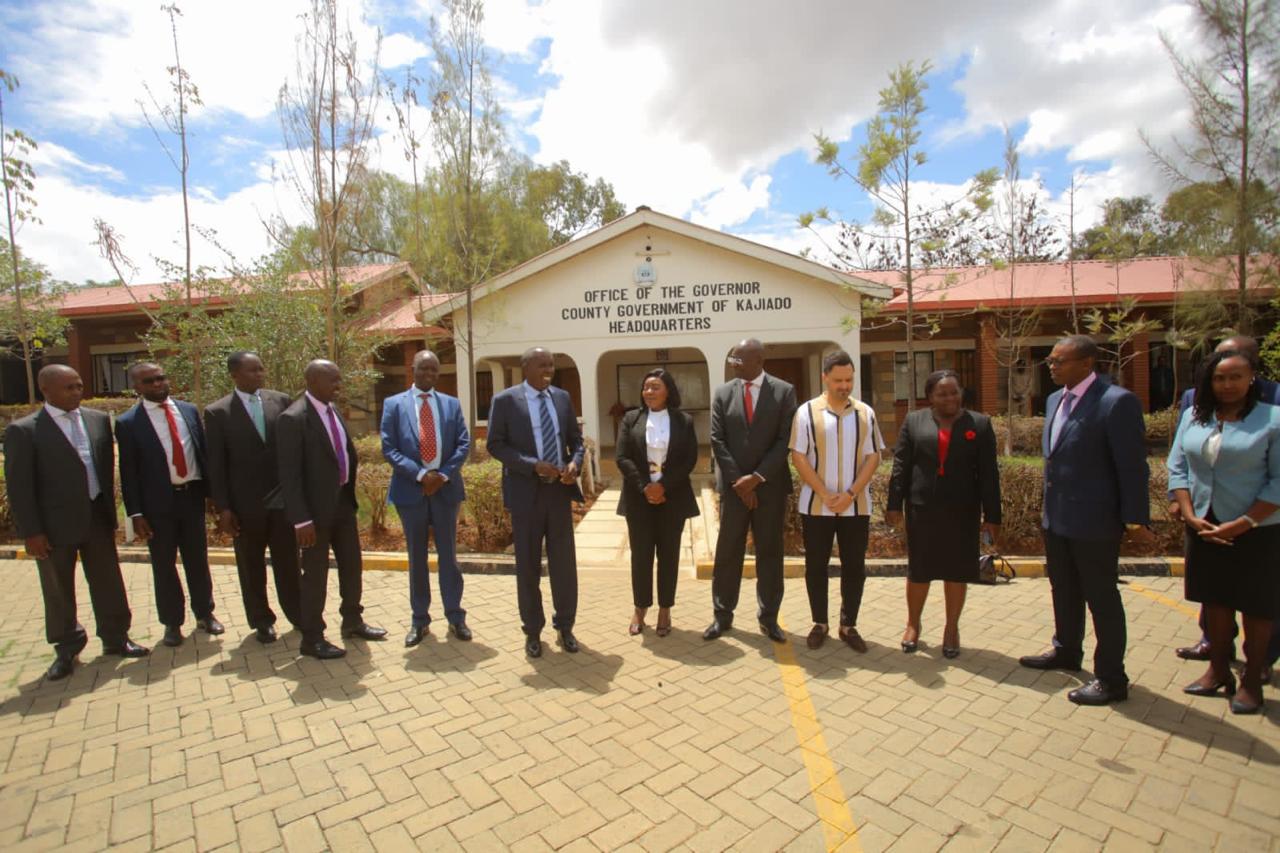
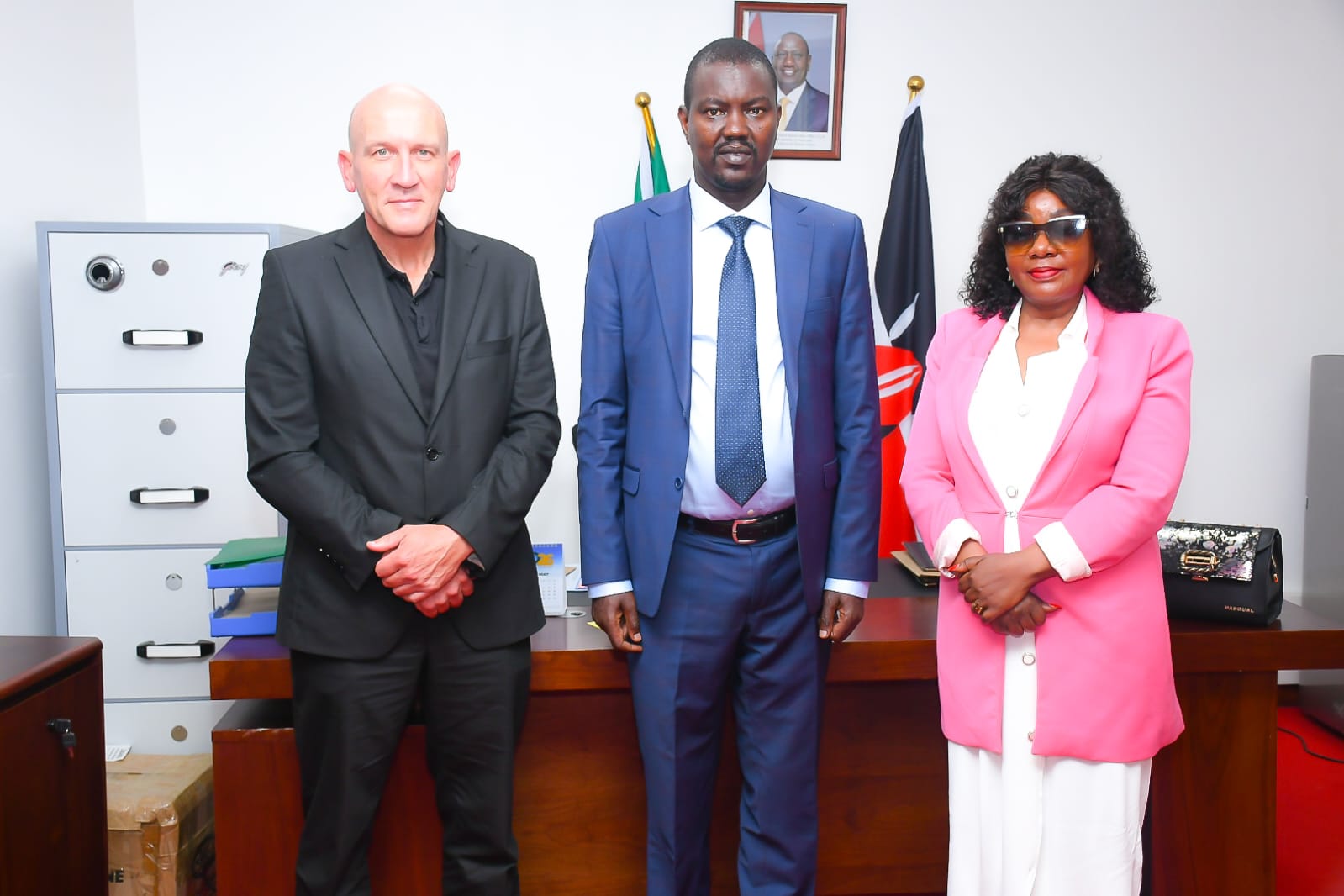
Community resilience is built on partnerships rooted in mutual respect and shared decision-making. When we listen to what people need, we can design solutions that truly address the underlying causes of poverty and hardship. Meaningful change takes time and commitment, but it is possible.
Real change requires working at all levels - supporting individual families while also strengthening the systems they depend on. We partner with local leaders, health workers, educators, and community members to identify gaps and co-create solutions.
This integrated approach means that what we build stays strong long after our initial support ends, because communities own the process.
Rubimoss Foundation works with communities to strengthen food security, education, health, and livelihoods through trust-based partnerships and practical action.
All author posts
The local response matters most. When community leaders are included in the decision-making process, support becomes stronger, safer, and more sustainable.
Sustainable impact grows when local organizations and donors work together with shared goals, accountability, and respect for lived experience.
Long-term change is not built on aid alone. It is built on dignity, capacity, and the everyday trust that people can shape their own future.

Programs are strongest when they meet real needs and are shaped by the people they are meant to serve. That is how we move from relief to resilience.
Write a comment